
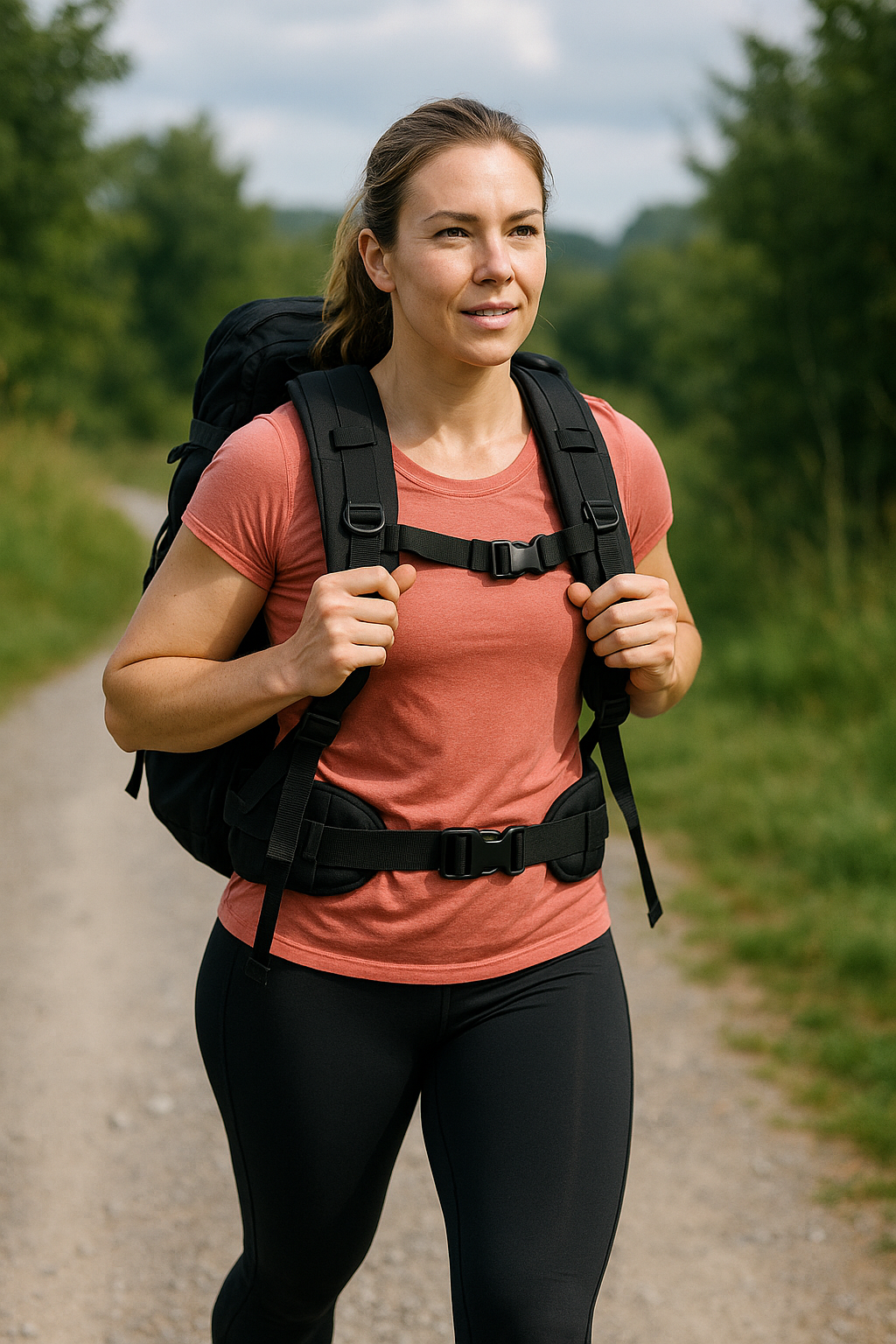
Walking is timeless, but lately, a new twist is taking center stage in the fitness world: weighted walking (rucking). Once a military training method, rucking has become a wellness trend, especially among women. It combines the simplicity of walking with the strength-building benefits of resistance training, all without the joint stress of high-impact workouts.
What is Weighted Walking (Rucking)?
The Origins of Rucking
Rucking comes from the military, where soldiers carried weighted packs for endurance and strength. Today, the practice has been adapted for general fitness.
How Rucking Differs from Regular Walking
Unlike a casual stroll, rucking involves walking with added weight in a backpack. The resistance activates more muscles, burns more calories, and strengthens bones over time.
Why Weighted Walking is Gaining Popularity Among Women
Social Media and Fitness Trends
Platforms like Instagram and TikTok highlight women embracing rucking for its practical, approachable benefits. Unlike complex gym routines, it feels natural and accessible.
The Appeal of Low-Impact, High-Return Exercise
Women are choosing rucking because it’s joint-friendly, safe, and effective for building long-term health without risking burnout or injuries.

Health Benefits of Weighted Walking (Rucking)
Builds Lean Muscle Strength
Carrying weight engages the back, shoulders, arms, and legs. Over time, this improves functional strength, making daily activities easier.
Supports Bone Density and Joint Health
Resistance training is proven to reduce osteoporosis risk. For women, especially as they age, rucking strengthens bones while sparing joints from harsh impact.
Improves Posture and Core Stability
The pack encourages upright posture, training the core and stabilizing muscles. This reduces slouching and back pain.
Enhances Cardiovascular Fitness Without Strain
Rucking elevates heart rate moderately, improving cardiovascular health similar to jogging, but with less joint wear.
Boosts Mental Health and Stress Relief
Outdoor rucking doubles as a mental reset. The steady movement combined with nature exposure helps lower cortisol and improve mood.

Weighted Walking for Different Fitness Levels
- Beginners: Start with 5–10% of body weight and short distances.
- Intermediate: Progress to 20–25 lbs with longer routes.
- Advanced: Endurance rucking for miles with 35–45 lbs packs.
This progression makes rucking scalable and sustainable.
Comparing Weighted Walking with Other Exercises
- Rucking vs Running: Less impact, more strength benefits.
- Rucking vs Strength Training: Combines endurance with resistance.
- Rucking vs Hiking: More accessible; can be done anywhere.
Safety Tips and Precautions for Weighted Walking
- Use a backpack with padded straps and hip support.
- Load weight evenly.
- Maintain upright posture and avoid leaning forward.
- Increase distance and load gradually.
Nutrition and Hydration for Rucking
Fuel with protein-rich meals for muscle recovery. Stay hydrated before, during, and after your rucks, especially on long sessions.

How to Incorporate Weighted Walking into a Busy Lifestyle
- Take 20–30 minute rucks during lunch breaks.
- Commute on foot with a weighted pack.
- Join community rucking groups for accountability.
Weighted Walking for Long-Term Health
Anti-Aging Benefits
Rucking slows muscle loss and preserves mobility, vital for aging women.
Supporting Hormonal Health in Women
Moderate resistance exercise like rucking supports metabolism and balances hormones, reducing menopausal discomfort.
Real-Life Success Stories of Women Who Ruck
Many women report feeling stronger, more energized, and empowered after adopting rucking. Online communities provide motivation and shared tips.
Frequently Asked Questions (FAQs)
Q1: How much weight should I start with?
A: Begin with 5–10% of your body weight. Gradually increase as your strength improves.
Q2: How often should I ruck?
A: 2–3 times per week is ideal for most beginners.
Q3: Can rucking replace the gym?
A: It offers strength and cardio benefits, but pairing it with flexibility and mobility exercises creates balance.
Q4: Is rucking safe for all ages?
A: Yes, with proper load management. Always consult a doctor if you have preexisting conditions.
Q5: Do I need special gear?
A: A sturdy backpack and weight (like books, water bottles, or dedicated ruck plates) are enough to start.
Q6: Can rucking help with weight loss?
A: Yes. The added resistance burns more calories than walking alone, making it an efficient fat-loss tool.
Conclusion: Why Weighted Walking (Rucking) is Here to Stay
Weighted walking, or rucking, is more than a fad. It’s a safe, effective, and empowering way for women to build strength, protect bone health, and enjoy long-term fitness. Its low-impact nature makes it sustainable, and its simplicity makes it accessible. For women seeking both strength and wellness, rucking is a trend worth keeping.