
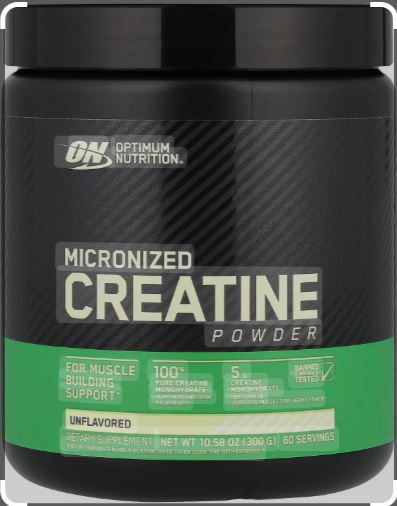
Creatine is one of the most popular supplements in the fitness world. If you’ve ever stepped foot in a gym or read a fitness blog, chances are you’ve heard about creatine and its supposed benefits. But with all the myths and confusion out there, it’s easy to feel overwhelmed.
In this post, we’re breaking down everything you need to know about creatine: what it does, how to take it, and what the real side effects are—without the nonsense. Let’s get started.
What Is Creatine and Why Do People Use It?
Creatine is a natural substance found in your muscles. It helps your body produce energy during short, intense workouts like weightlifting and sprinting. Many athletes and fitness enthusiasts take creatine supplements to boost their performance and help build muscle.
Key benefits of creatine include:
- Increased Strength: Creatine can help you lift a little heavier or squeeze out an extra rep.
- Better Endurance in Short Bursts: It’s especially useful for activities like weight training, sprinting, and wrestling.
- Muscle Growth: Creatine pulls water into your muscle cells, making them look fuller and helping you gain muscle size over time.
It’s no wonder creatine is one of the most researched and trusted supplements for fitness enthusiasts.

Busting the Myths About Creatine
There’s a lot of confusion around creatine. Let’s set the record straight.
Myth 1: Creatine is dangerous.
This is probably the biggest myth. Some people think creatine is bad for your kidneys or causes long-term health problems. The truth? There’s no reliable scientific evidence showing creatine is harmful when taken at the recommended dose of 5 grams per day. In fact, studies show creatine might actually help your brain, heart, and bones.
Myth 2: Creatine needs a loading phase.
Some supplement labels recommend taking a high dose of creatine for a week before switching to a lower maintenance dose. While this can fill up your muscles faster, it’s not necessary. Simply taking 5 grams per day will fully saturate your muscles in about two weeks.
Myth 3: Creatine makes you bloated.
Creatine pulls water into your muscles, making them look fuller and more pumped. It’s not the same as bloating under your skin that makes you look soft. Most people actually like this effect!
Myth 4: Creatine timing is critical.
You might have heard you need to take creatine right after your workout with carbs to “spike insulin.” Actually, creatine works by building up in your muscles over time. Taking it at any time of day is fine—as long as you’re consistent. Find a time that works for you (like with breakfast) and stick with it.

How to Take Creatine the Right Way
So, how should you take creatine to get the most benefits? It’s easier than you think.
- Choose Creatine Monohydrate
There are many types of creatine on the market, but creatine monohydrate is the most researched, safest, and most affordable. Skip the fancy marketing and stick with the simple, proven stuff. - Use the Right Dose
Most people do best with 5 grams per day. That’s it! No need to load up with high doses unless you’re a competitive strongman. Even for big bodybuilders, 5 grams is plenty. - Be Consistent
Creatine only works when it builds up in your muscles. Take it every day, even on rest days. Missing doses means your levels drop and you won’t see the same benefits. - Take It Any Time of Day
Morning, afternoon, or evening—timing doesn’t matter. Pick a time you’re most likely to remember so you stay consistent. Many people take it with breakfast or their post-workout shake. - Watch for Stomach Issues
Most people don’t have any stomach problems with creatine. If you do, try switching brands or mixing it in more water. You can also experiment with splitting your dose into two smaller servings.

Are There Any Side Effects of Creatine?
Here’s the good news: creatine is one of the safest supplements you can take. Research shows it doesn’t harm your kidneys, liver, or cause dehydration when taken at recommended doses.
Some people might notice:
- Water Weight Gain: Creatine pulls water into your muscles, which might show up as a few extra pounds on the scale. But this water is inside the muscles, making them look bigger—not under your skin causing bloating.
- Mild Stomach Issues: Rarely, some people get stomach cramps or loose stools. Usually, this goes away by splitting the dose or taking it with food.
If you’re a healthy adult, creatine is safe and effective.
Should You Cycle Off Creatine?
Some people wonder if they need to take breaks from creatine to “reset” their bodies. The research shows that cycling off creatine isn’t necessary—your body’s natural creatine production is not affected in any meaningful way.
However, some people choose to skip creatine during rest periods or vacations just to save money. That’s a personal choice. There’s no health reason to cycle off, but it might make sense for your budget.
Final Thoughts: Is Creatine Worth It?
If you’re a beginner, you don’t need creatine right away—focus on training and nutrition first. But if you’re an intermediate or advanced lifter, creatine is one of the best, most affordable supplements to help you get stronger, build muscle, and perform better.
Remember: stick with creatine monohydrate, take 5 grams daily, and be consistent. Ignore the myths and enjoy the real benefits.
If you’re ready to take your training to the next level, give creatine a try—it might be the secret weapon your workout has been missing!