
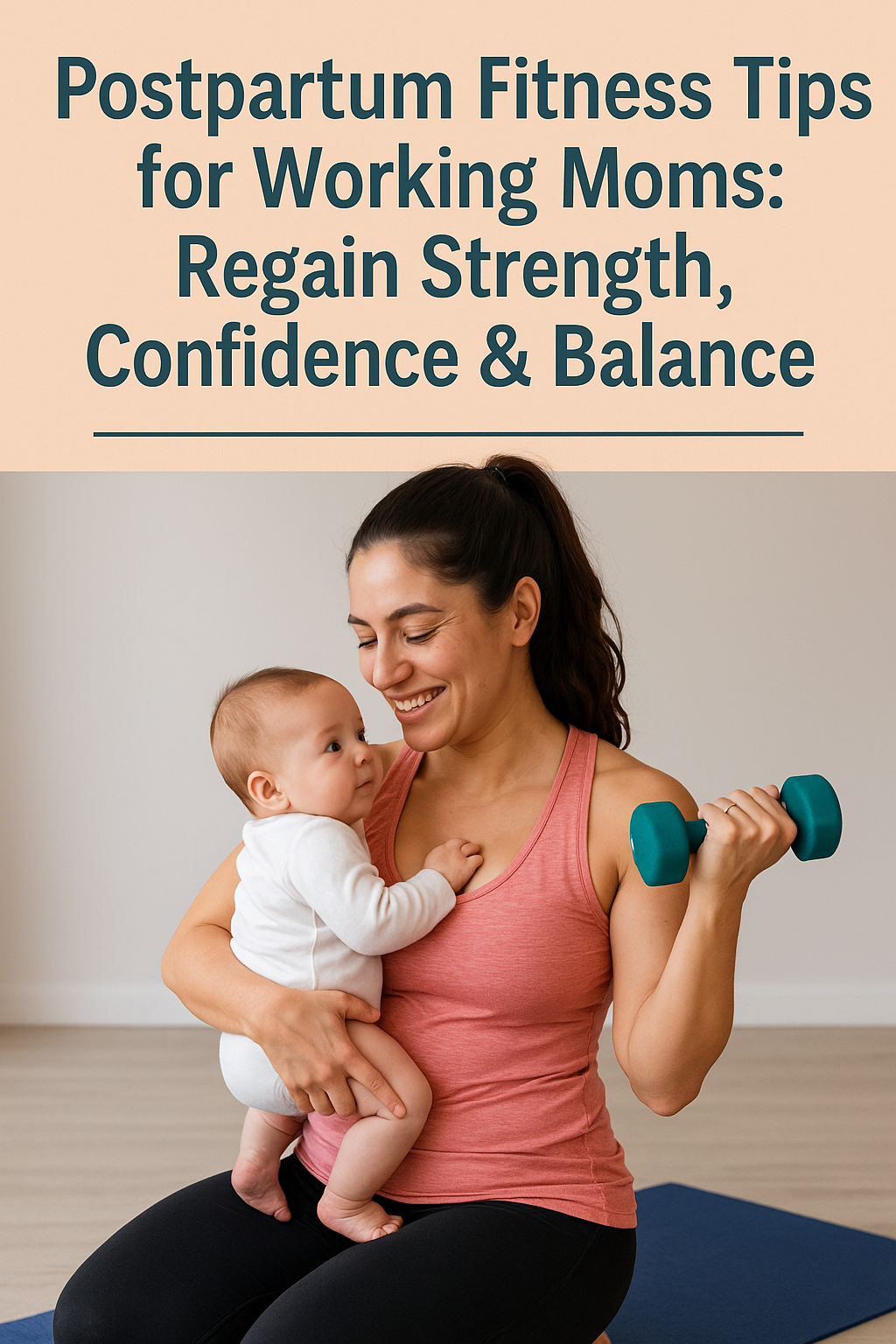
Understanding Postpartum Fitness for Working Moms
What Does Postpartum Fitness Really Mean?
Postpartum fitness refers to the safe and sustainable return to physical activity after childbirth. For working moms, it’s about regaining core strength, energy, and mental balance without overwhelming schedules. Unlike pre-pregnancy workouts, postpartum fitness prioritizes healing and gradual progress rather than aesthetics.
The focus is on core recovery, mobility, and endurance to handle both office and home responsibilities. The journey differs for everyone based on delivery type, recovery speed, and lifestyle, so flexibility is key.
Working mothers often juggle demanding careers, childcare, and home responsibilities, leaving little room for structured workouts. Fatigue, hormonal changes, and limited sleep compound these challenges. Many women also experience guilt for taking time for themselves, which further delays recovery. Recognizing these barriers is the first step toward overcoming them through realistic, achievable fitness strategies.
The Importance of a Gradual Return to Exercise After Birth
Listening to Your Body and Doctor’s Clearance
Before starting any exercise, medical clearance is essential, especially after a cesarean delivery. The first six weeks are primarily for healing. Once approved, begin with gentle movements like walking or pelvic floor exercises. Gradual reintroduction helps prevent injuries such as diastasis recti or pelvic floor dysfunction.
Postpartum fitness is not a race. Hormonal changes can affect strength and flexibility for months. Progress might feel slow, but consistency beats intensity. Prioritize form over frequency, and remember that every small step—like a 10-minute walk—contributes to long-term recovery.

Time Management: Fitting Workouts into a Busy Mom’s Schedule
Efficient 15–30 Minute Workouts for Office and Home
Consistency matters more than duration. Short, high-efficiency workouts like bodyweight circuits, resistance bands, or yoga sessions can fit into a workday. Try splitting workouts into small chunks, for example, 10 minutes in the morning, 10 at lunch, and 10 before bed.
How to Create a Flexible Weekly Fitness Plan
Plan three to four sessions weekly with alternating focuses—cardio, strength, and flexibility. Example:
- Monday: 20-min bodyweight cardio
- Wednesday: Core and strength work
- Friday: Yoga or stretching
- Weekend: Family walk or stroller jog
This adaptable structure keeps momentum without pressure.
Nutrition Tips to Support Postpartum Fitness Goals
Smart Meal Planning for Energy and Recovery
Fueling the body correctly supports muscle repair and sustained energy. Focus on lean proteins, complex carbohydrates, healthy fats, and iron-rich foods. Batch cooking and prepping meals on weekends help save time during workdays.
Staying hydrated aids milk production and metabolic recovery. Aim for at least 2–3 liters daily. Herbal teas and infused water add variety without sugar.
Mental Wellness and Self-Care for Working Moms
How Exercise Boosts Postpartum Mental Health
Regular physical activity reduces stress hormones and releases endorphins. For working moms managing postpartum blues or anxiety, even 20 minutes of movement can improve mood and focus.
Breathing exercises, short meditations, or stretching at your desk promote relaxation. Integrate small mindfulness moments throughout the day to stay grounded and resilient.
Walking, swimming, and elliptical workouts help rebuild stamina without joint stress. Pair them with resistance band strength exercises to tone muscles safely.
Kegels, bridges, and modified planks restore pelvic stability and core control. Avoid crunches early on if you have abdominal separation.
Postpartum yoga improves flexibility, posture, and emotional balance. Poses like Child’s Pose, Cat-Cow, and Reclined Butterfly are gentle yet restorative.

Setting Realistic Fitness Goals for Working Moms
Tracking Progress Without Pressure
Use fitness trackers or journals to log progress weekly. Instead of weight-based goals, focus on energy levels, stamina, or mood improvement.
Recognize your achievements, whether you are completing a week of workouts or improving your endurance. Positive reinforcement strengthens consistency!
Balancing Work, Motherhood, and Personal Health
Open communication prevents burnout. Share your postpartum recovery goals with your partner and employer. This can help create a flexible schedule or support system for workouts. Small adjustments like remote workdays or shared childcare duties can make a major difference.
Protecting time for yourself is not selfish; it’s survival. Block out short windows for exercise or rest and treat them as non-negotiable appointments. This builds discipline and reminds others that your health matters.
Community and Support Systems for Postpartum Fitness
Online platforms like FitMom, The Bloom Method, and Postpartum Trainer offer guided workouts and support. These communities foster accountability and emotional connection, helping you stay consistent even during busy weeks.
If you experience pain, fatigue, or pelvic discomfort, seek help from a women’s health physical therapist. Personalized guidance ensures safe progress and prevents setbacks.
Common Mistakes to Avoid in Postpartum Fitness
Pushing too hard, too soon, can cause injury or delay healing. Common signs of overexertion include pelvic pain, excessive bleeding, or abdominal bulging. Rest is part of training, so listen to your body.
Social media highlights unrealistic recoveries. Every woman’s body heals at its own pace. Measure success by your own milestones, not someone else’s timeline.

Fuel your busy days with quick, nutrient-packed smoothies—simple, delicious, and made for working moms on the go. Click here to learn more.
Recommended Fitness Tools and Apps for Busy Moms
Top Apps for Home Workouts and Tracking
- Nike Training Club – free guided workouts for all levels
- FitOn – quick routines for tight schedules
- Juna – tailored for postpartum recovery
- MyFitnessPal – meal and calorie tracking for balanced nutrition
Affordable Equipment for Compact Spaces
Simple tools can create a full workout setup:
- Resistance bands
- Yoga mat
- Dumbbells (5–10 lbs)
- Stability ball
Compact and portable, these make workouts accessible at home or in the office.
FAQs About Postpartum Fitness for Working Moms
Q1. When is it safe to start exercising after childbirth?
A: Generally, after 6 weeks and with your doctor’s approval. Start with light movements like walking or pelvic exercises.
Q2. How can I stay consistent with such a busy schedule?
A: Schedule short workouts during lunch or early morning. Use micro-sessions instead of one long workout.
Q3. Can exercise affect breastfeeding?
A: Moderate exercise does not affect milk supply. Staying hydrated and eating enough calories is key.
Q4. What’s the best workout for postpartum belly fat?
A: Focus on core restoration exercises like bridges, bird-dogs, and planks, not just crunches.
Q5. How can I balance work, motherhood, and self-care?
A: Prioritize tasks, delegate when possible, and plan workouts into your calendar like meetings.
Q6. What should I do if I feel pain during exercise?
A: Stop immediately and consult a postpartum specialist or physical therapist.
Conclusion: Empowering Working Moms Through Fitness
Postpartum fitness for working moms is a journey of resilience and renewal. It’s not about “getting your body back,” but about rebuilding strength, energy, and confidence to thrive at work and at home. With patience, consistency, and the right support systems, every mother can restore balance and well-being—one mindful workout at a time.