
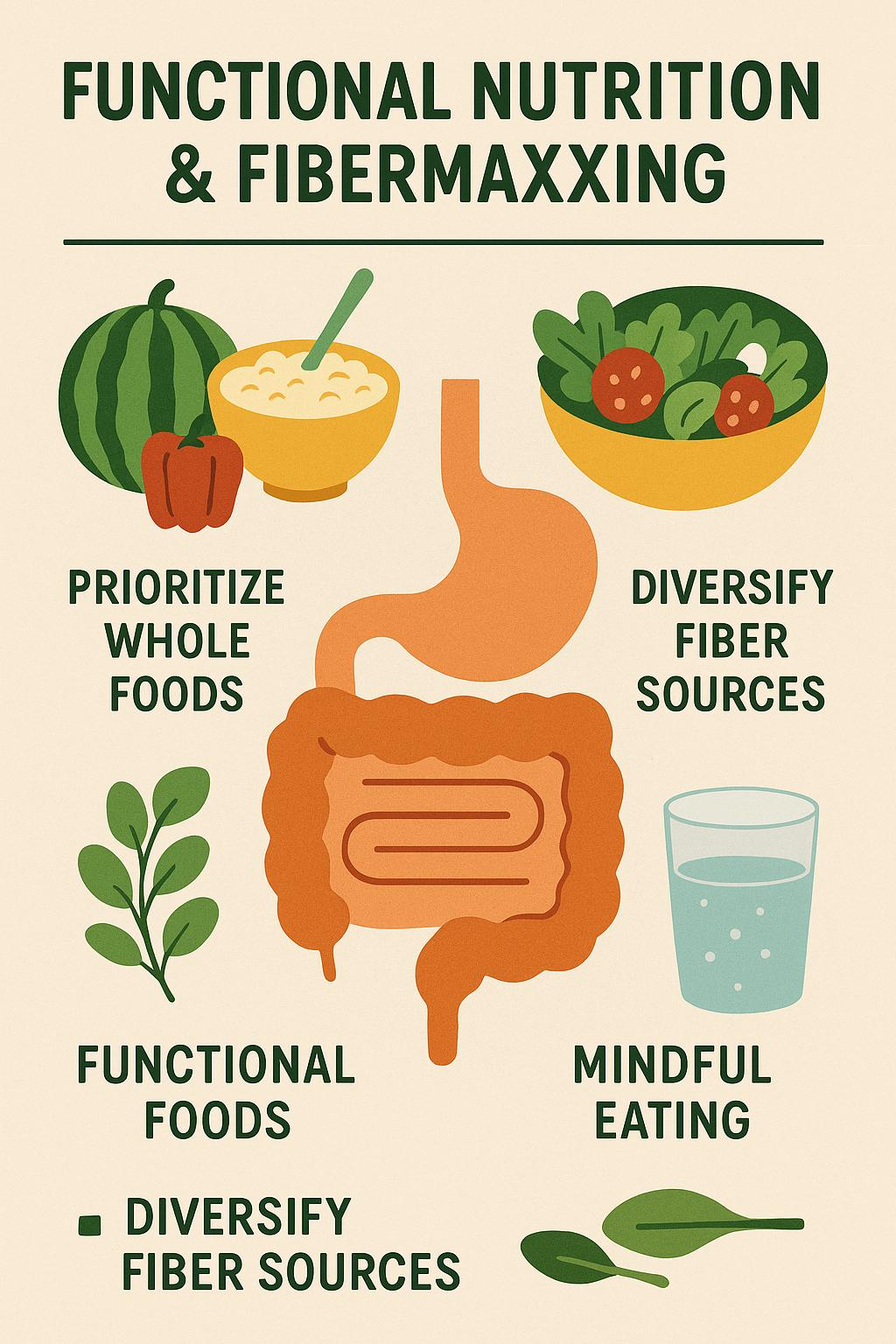
In the quest for optimal health and vitality, Functional Nutrition & Fibermaxxing have emerged as powerful trends in the world of wellness. By strategically combining these two practices, individuals can significantly boost their digestive health, enhance gut microbiome balance, and promote overall well-being.
This comprehensive guide explores everything you need to know about Functional Nutrition & Fibermaxxing, and how implementing these 11 powerful strategies can transform your health.
Understanding Functional Nutrition & Fibermaxxing
What is Functional Nutrition?
Functional nutrition is an approach that emphasizes eating to support the body’s natural functions, preventing illness, and promoting optimal health. Rather than merely counting calories or restricting certain food groups, functional nutrition focuses on nutrient density, whole-food sources, and personalized eating habits tailored to individual health needs.
What Does Fibermaxxing Mean?
Fibermaxxing is the intentional practice of maximizing dietary fiber intake to optimize digestion, enhance gut health, and support overall physical wellness. This approach encourages the intentional consumption of diverse, high-fiber foods such as fruits, vegetables, legumes, whole grains, and nuts.
Combining both functional nutrition and fibermaxxing allows for a powerful synergy. By leveraging nutrient-dense foods and maximizing fiber intake, this holistic approach addresses the root causes of health issues, enhances nutrient absorption, and promotes digestive harmony.
The Science Behind Fiber and Functional Nutrition
Gut Health and Digestion: Key Connections
The gut is central to overall health, affecting everything from immune function to mood regulation. A balanced gut microbiome depends heavily on dietary fiber, which nourishes beneficial gut bacteria, reduces inflammation, and supports efficient digestion.
Fiber-rich foods slow digestion, regulate blood sugar, and lower cholesterol levels. They also help eliminate toxins from the body, significantly reducing the risk of chronic diseases like heart disease, diabetes, and colon cancer.
Multiple studies link high dietary fiber intake to a lower risk of chronic illnesses, including obesity, cardiovascular disease, and type-2 diabetes. By integrating fibermaxxing within functional nutrition, individuals can proactively protect their health.

11 Powerful Strategies to Achieve Fibermaxxing through Functional Nutrition
1. Prioritize Whole Foods
Whole foods such as fruits, vegetables, whole grains, legumes, and nuts are fundamental for achieving fibermaxxing. Opting for minimally processed, nutrient-rich foods ensures you’re receiving maximum nutritional benefits.
Aim to fill half your plate with a colorful array of fruits and vegetables as well as emphasizing leafy greens, berries, and cruciferous vegetables like broccoli and kale.
Replace refined grains with whole grains such as quinoa, oats, and brown rice, which offer superior fiber content and additional nutrients.
2. Diversify Your Fiber Sources
Diversity in your fiber sources ensures balanced nutrition and varied gut microbiome support.
Furthermore understanding the differences between soluble fiber (found in oats and apples) and insoluble fiber (found in whole grains and vegetables) can help you balance your digestive needs.
Consuming varied sources of fiber enhances gut health, improves nutrient absorption, and supports immune function.
3. Functional Foods to Boost Your Diet
Functional foods like probiotics, prebiotics, and fermented foods further enhance the benefits of fibermaxxing.
Foods like yogurt, kefir, and garlic provide beneficial bacteria and fibers that feed these bacteria, boosting gut health.
Incorporating fermented foods like sauerkraut, kimchi, and kombucha enriches your microbiome diversity.
4. Mindful Eating Practices
Eating mindfully enhances digestion and maximizes nutrient absorption. For example chew slowly, savor your food, and pay attention to hunger and fullness cues.
5. Hydration and Fibermaxxing
Drinking plenty of water is crucial when increasing fiber intake. Adequate hydration prevents constipation and promotes smoother digestion.
6. Balanced Meal Planning
Planning meals around fiber-rich foods ensures a balanced nutrient profile and supports sustained energy throughout the day.

7. Optimal Fiber Intake Recommendations
The daily recommended fiber intake varies slightly depending on age, gender, and lifestyle factors. Generally, adults should aim for:
- Women: Approximately 21-25 grams per day.
- Men: Approximately 30-38 grams per day.
To achieve these targets, gradually increase your intake over a few weeks, allowing your digestive system to adapt comfortably.
8. Supplements: When and How to Use
Sometimes, despite best efforts, dietary fiber intake might fall short of optimal. Supplements can bridge this gap effectively.
Fiber Supplements
Fiber supplements like psyllium husk, inulin, or chia seeds can be useful, in addition they can help manage cholesterol, improve gut function, and provide additional satiety. Always introduce these slowly to avoid digestive discomfort.
Probiotic Supplements
Probiotic supplements help balance gut flora, particularly if your diet lacks sufficient fermented foods. Opt for a high-quality, clinically-tested probiotic to ensure effectiveness.
9. Addressing Common Digestive Issues
Increasing dietary fiber can sometimes cause temporary digestive issues. Addressing these proactively ensures smooth fibermaxxing.
Managing Bloating
Bloating can occur when fiber intake is increased abruptly. To avoid this, gradually increase fiber intake, chew thoroughly, and consider gentle remedies like ginger or peppermint tea.
Fiber and Constipation
Though fiber typically aids in constipation relief, insufficient hydration with fibermaxxing can exacerbate symptoms. Stay hydrated and consider soluble fiber if constipation persists.
10. Cooking Tips to Maximize Fiber Intake
Cooking methods can influence the fiber content and nutrient availability of your meals. Consider these tips:
- Steam or sauté vegetables lightly: Preserves fiber content better than boiling.
- Leave skins on: Fruits and vegetables contain substantial fiber in their skins.
- Sprinkle seeds: Adding flax, chia, or pumpkin seeds to meals significantly boosts fiber content.
11. Track and Optimize Your Fibermaxxing Journey
Using apps or dietary journals can help track your daily fiber intake, making it easier to identify gaps and optimize your diet accordingly. Regular monitoring ensures consistency and long-term adherence.
Functional Nutrition & Fibermaxxing Recipes
Integrating fibermaxxing into your daily routine is simpler with delicious, easy-to-prepare recipes:
Quick Breakfast Ideas
- Overnight oats: Combine oats, chia seeds, almond milk, berries, and nuts.
- Fiber smoothie: Blend spinach, bananas, berries, flaxseeds, and almond milk.
Fiber-Rich Snacks
- Veggie sticks with hummus: Celery, carrots, cucumbers with chickpea hummus.
- Mixed nut trail mix: Almonds, walnuts, dried fruits, and seeds.
Nutritious Main Courses
- Quinoa salad: Mixed quinoa, chickpeas, vegetables, and olive oil dressing.
- Lentil stew: Lentils, vegetables, garlic, and tomatoes slow-cooked in broth.
Common Myths and Misconceptions
Myth: All Fiber is the Same
Not all fibers are equal. Understanding soluble vs. insoluble fiber, and their unique benefits, is essential for optimal results.
Myth: High Fiber Diets Always Cause Bloating
Bloating typically results from rapid dietary changes. Gradual fibermaxxing prevents this and provides smoother digestion.
Real-Life Success Stories
Testimonials from Fibermaxxing Enthusiasts
- Sarah, 32: “Switching to fibermaxxing transformed my gut health and reduced my frequent digestive discomfort. Now, I feel energized every day!”
- Mark, 45: “Functional nutrition and fibermaxxing completely reshaped my diet. My cholesterol levels improved, and I’ve never felt healthier!”
FAQs About Functional Nutrition & Fibermaxxing
Q1: How quickly can I expect to see results from fibermaxxing?
- A: Most people notice improved digestion within 1-2 weeks of increasing fiber intake.
Q2: Can too much fiber be harmful?
- A: Excessive fiber intake may cause bloating or digestive discomfort. Gradually increase your intake to avoid this.
Q3: Are fiber supplements necessary for everyone?
- A: Not necessarily. Supplements are beneficial if dietary sources are insufficient.
Q4: Can fibermaxxing aid weight loss?
- A: Yes, dietary fiber promotes satiety, which can naturally lead to reduced calorie intake and support weight loss.
Q5: Is fibermaxxing suitable for children?
- A: Yes, but ensure fiber increases are gradual and age-appropriate.
Q6: How does fiber affect blood sugar?
- A: Fiber slows carbohydrate absorption, helping maintain stable blood sugar levels.
Conclusion: Embracing Fibermaxxing for Lifelong Health
Adopting Functional Nutrition & Fibermaxxing provides a powerful foundation for lifelong health. By embracing these principles, you support digestive health, nourish your gut microbiome, and significantly reduce your risk of chronic illnesses.
Start your fibermaxxing journey today—your gut will thank you for years to come!